
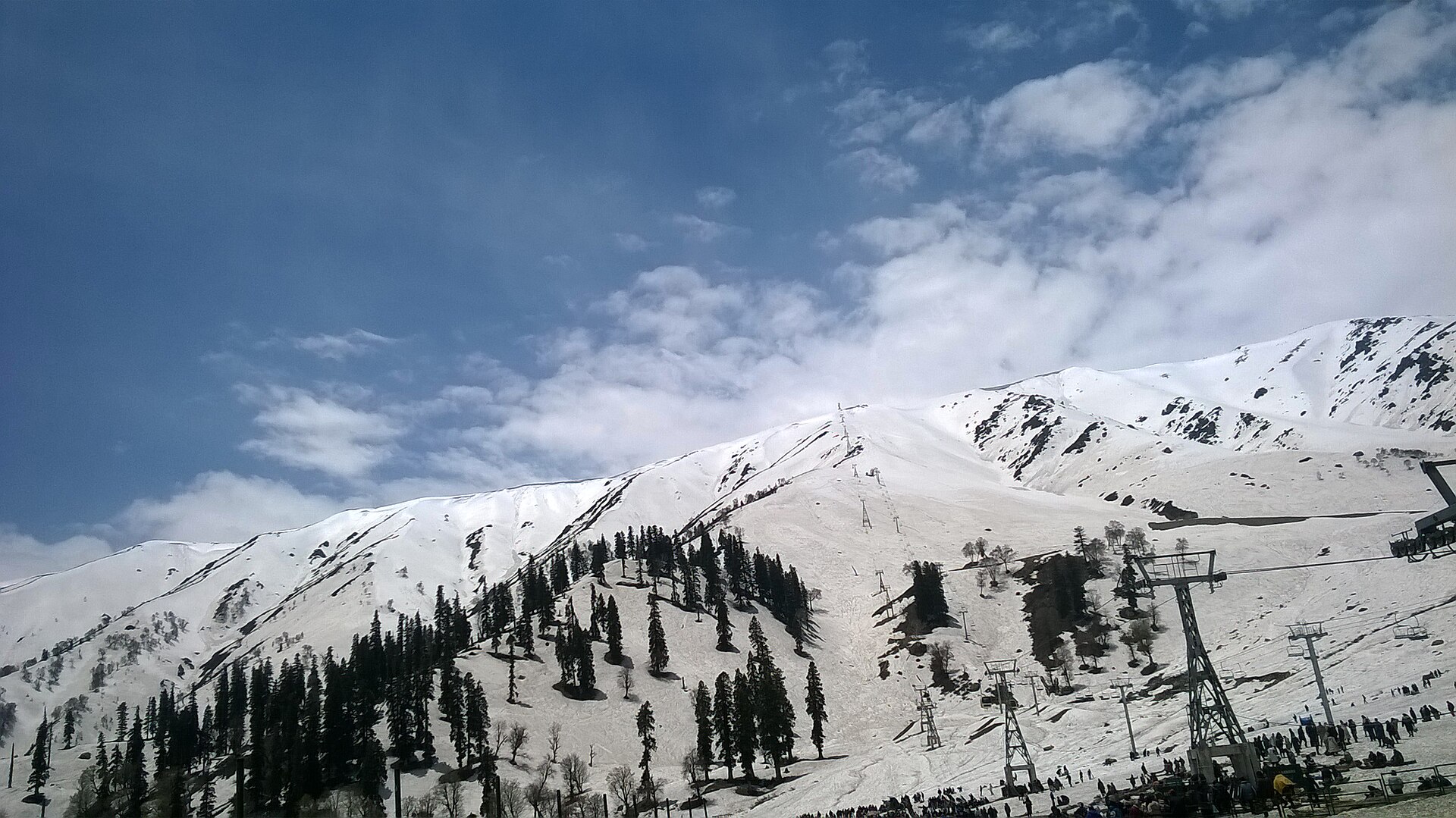
Green meadows of Gulmarg in May — Kashmir travel guide by Firdous Tours

The FAQ's

What we tell friends before they come.

Six things worth knowing before you book anything in Kashmir or Ladakh — written by people who live here, not by a content agency.

April and early May are the valley in blossom: almond and cherry orchards, the tulip garden below the Zabarwan hills open for about three weeks, and snow still sitting on the Pir Panjal behind everything. It is the most photographed Kashmir, and the busiest — book stays six to eight weeks ahead.

June to August is the green season. Gulmarg and Pahalgam are at their softest, the high meadows open for trekking, and the Srinagar–Leh road is reliably clear. This is when families travel and when the valley is warmest — mid-twenties by day, a shawl by night.

September and October are our own favourite. The crowds thin, the chinars turn, the light goes long and gold, and the lake is glassy at dawn. If you want the valley to feel like it belongs to you, come now.

December to February is snow. Gulmarg becomes one of Asia’s serious ski mountains, houseboats run bukharis and heavy quilts, and Dal sometimes freezes at the edges. Fewer roads, more atmosphere.

Ask us about this

A houseboat is a carved cedar drawing room floating on water: hand-worked walnut panelling, a verandah over the lake, tea brought by shikara. Nigeen is quieter than Dal; the boats at the far end of Dal are quieter than those at the boulevard. We keep our own boats and know the families who run the rest, which is how we can tell you which one is right rather than which one is free.

A hotel gives you a lift, a gym, consistent hot water and a car at the door. On a short trip with elderly parents or small children, that matters more than romance.

Our usual recommendation for a five-night valley trip: two nights on a houseboat at the start, then hotels in Gulmarg or Pahalgam, then one more lake night at the end. You get the poetry and the plumbing.

Ask us about this

Flying into Leh puts you at 3,500 metres within an hour of leaving the plains, and the first day is often lost to headaches. Driving up through Sonamarg, over the Zoji La to Drass and Kargil, then over Namika La and Fotu La into the Indus valley, gains the same altitude over two days — and the landscape changes by the hour, from pine to bare rock to Tibetan plateau.

The road is normally open from late May to early October. We use drivers who have run it for twenty seasons, keep the day short enough to stop when you want to, and book Kargil in advance because good rooms there are genuinely scarce.

If your dates are outside the season, or you simply have not the days to spare, fly — we will build in a slow first day in Leh and keep the oxygen in the car.

Ask us about this

Registration through an authorised bank branch and a compulsory health certificate come first, and both open months before the yatra dates are announced. We handle the paperwork, the permit and the group registration for you.

The Pahalgam route is longer and gentler, spread over three to four days through Chandanwari, Sheshnag and Panchtarni. The Baltal route is short and steep — done in a day by the fit and the determined. We advise the Pahalgam route for anyone over fifty or coming from sea level.

Start walking at home a month before: an hour a day, hills if you have them. Carry a windproof layer even in July, keep the pace slow above Sheshnag, and drink far more water than feels necessary.

Ask us about this

Gulmarg sits at 2,650 metres and the gondola climbs to nearly 4,000 — the second-highest cable car in the world. Even as a non-skier, the ride to Kongdoori and on towards Apharwat is the single most dramatic hour in the valley.

Below the ropeway there are sledges, snowshoe walks through the pine sanctuary, and a good deal of sitting by a fire with kahwa. Roads can close for a day after heavy snow; we build a buffer night into every winter itinerary so a closure never costs you a flight.

Bring proper boots and a waterproof outer layer. Everything else — snow suits, gloves, goggles — can be hired well in Gulmarg, and we will tell you where.

Ask us about this

Even in July the valley drops sharply after sunset and Sonamarg or Gulmarg can be ten degrees colder than Srinagar. A packable down layer earns its space in every month of the year.

Shoes matter more than clothes: gardens are watered, meadows are wet, and monastery courtyards are gravel. One pair that can get muddy, one pair for dinner.

Skip the heavy camera bag if you are trekking, skip formal wear entirely, and leave room in the case — the shawls, the walnut wood and the saffron will come home with you whether you planned it or not.

Ask us about this

Plan your journey

Tell us the Kashmir you have in mind. We'll build the rest.

No call centre, no template itinerary. Your enquiry reaches the family that has been hosting guests in this valley for five generations — and comes back as a private plan written for you.

A reply within 12 hours — usually much sooner. We answer 24 × 7.

No obligation, no deposit — a full day-by-day plan before anything is booked.

Our own houseboats — plus a family network across Dal Lake and Nigeen.

Start your Kashmir story

Five fields. That's all we need to begin.

We never share your details. No newsletters unless you ask.